PodcastCrew Editorial Team
September 25, 2026 · 10 min read
Your Company Has Expertise. Does Your Market Know It?
Your team may have years of experience, but if your market never gets to see that expertise, it becomes much harder to build authority before the sales conversation.

Most established B2B companies have more expertise than they know what to do with.
The CEO has spent 20 years in the industry. The leadership team has worked through projects that most competitors have never encountered. The sales team hears the same questions from prospects every week. Your subject matter experts have opinions, experience, and stories that could genuinely help the people you want to reach.
Yet much of that knowledge never makes it into the company's marketing.
Instead, it stays inside meetings, sales conversations, presentations, and the heads of the people who built the business.
That creates an interesting problem. Your company may be extremely knowledgeable, but your market may have very little opportunity to see that knowledge for itself.
This is where B2B thought leadership becomes useful.
Expertise and Visibility Are Two Different Things
Being an expert doesn't automatically make you a recognized authority.
A company can have an incredible track record and still have a website that says very little about what its people actually know. It can have experienced executives and a talented marketing team, yet most of the content being published consists of company announcements, service descriptions, event photos, and promotional posts.
None of that is necessarily bad. It simply doesn't give prospective customers much insight into how the company thinks.
And buyers are doing more research before they ever talk to a salesperson.
They are looking at your website. They're searching for your leadership team on LinkedIn. They're reading articles, watching videos, listening to podcasts, looking at customer stories, and comparing companies long before someone submits a contact form.
Research from Edelman and LinkedIn has found that thought leadership can influence B2B decision-makers before a formal sales conversation, including people who may not be the primary contact but can still influence the final decision.
That means your marketing has an opportunity to introduce people to your expertise before sales ever enters the picture.
Your Best Content May Already Be Happening in Sales Calls
Think about the questions your sales team answers every week.
A prospect wants to know what they should look for when choosing a provider. Another wants to understand why a particular approach costs more. Someone else has heard three different opinions about a problem and wants to know which one actually matters.
Your team answers these questions because they know the business.
Those conversations are full of potential content.
The same applies to your leadership team.
Your CEO probably has opinions about where the industry is heading. Your operations team has learned things from years of doing the work. Your senior employees know which mistakes companies repeatedly make. Your customer-facing people understand where prospects tend to get stuck.
You don't need to invent expertise for your content strategy.
You need to capture the expertise that already exists inside the company.

This Is Where Executive Video Becomes Especially Valuable
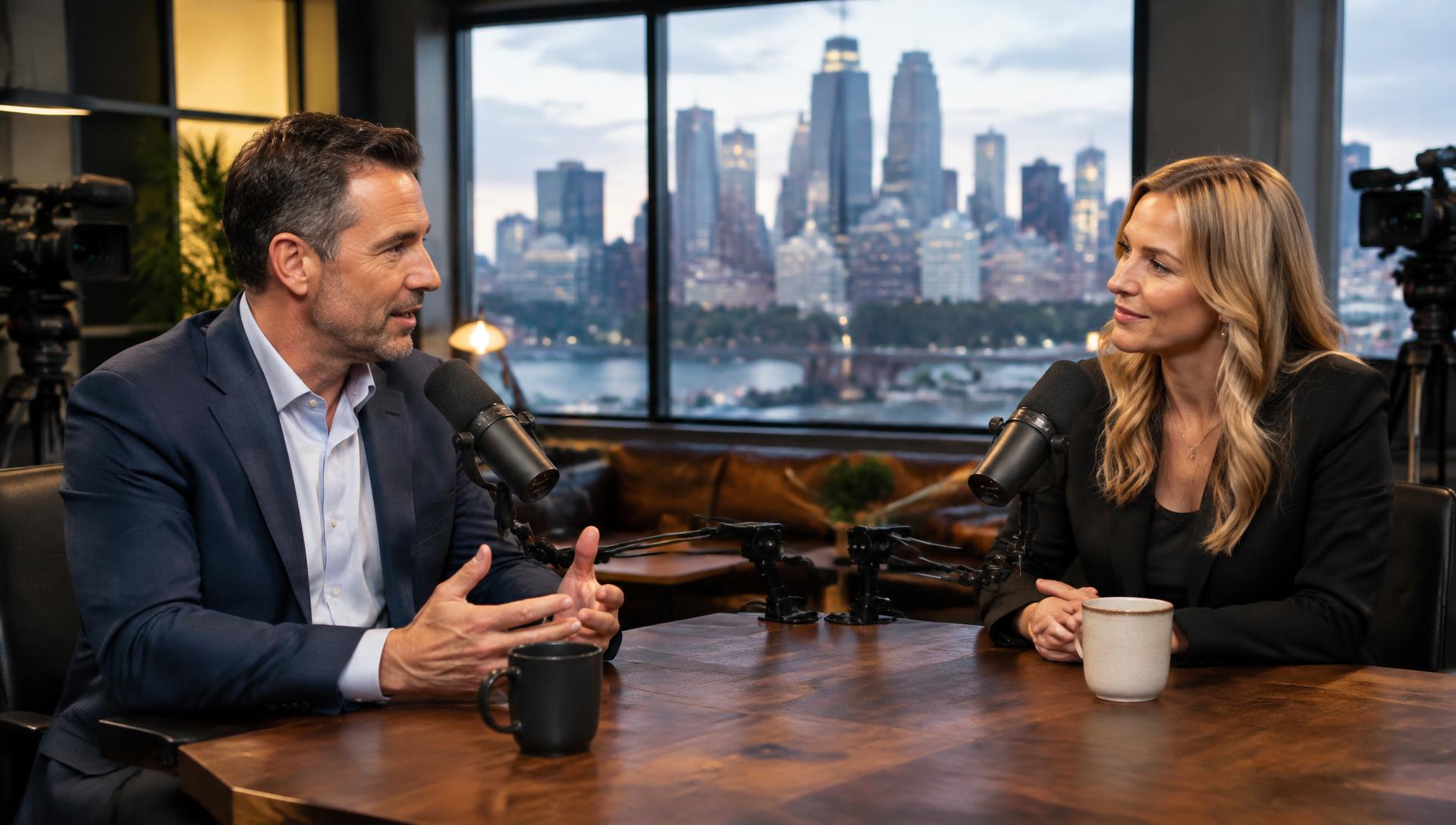
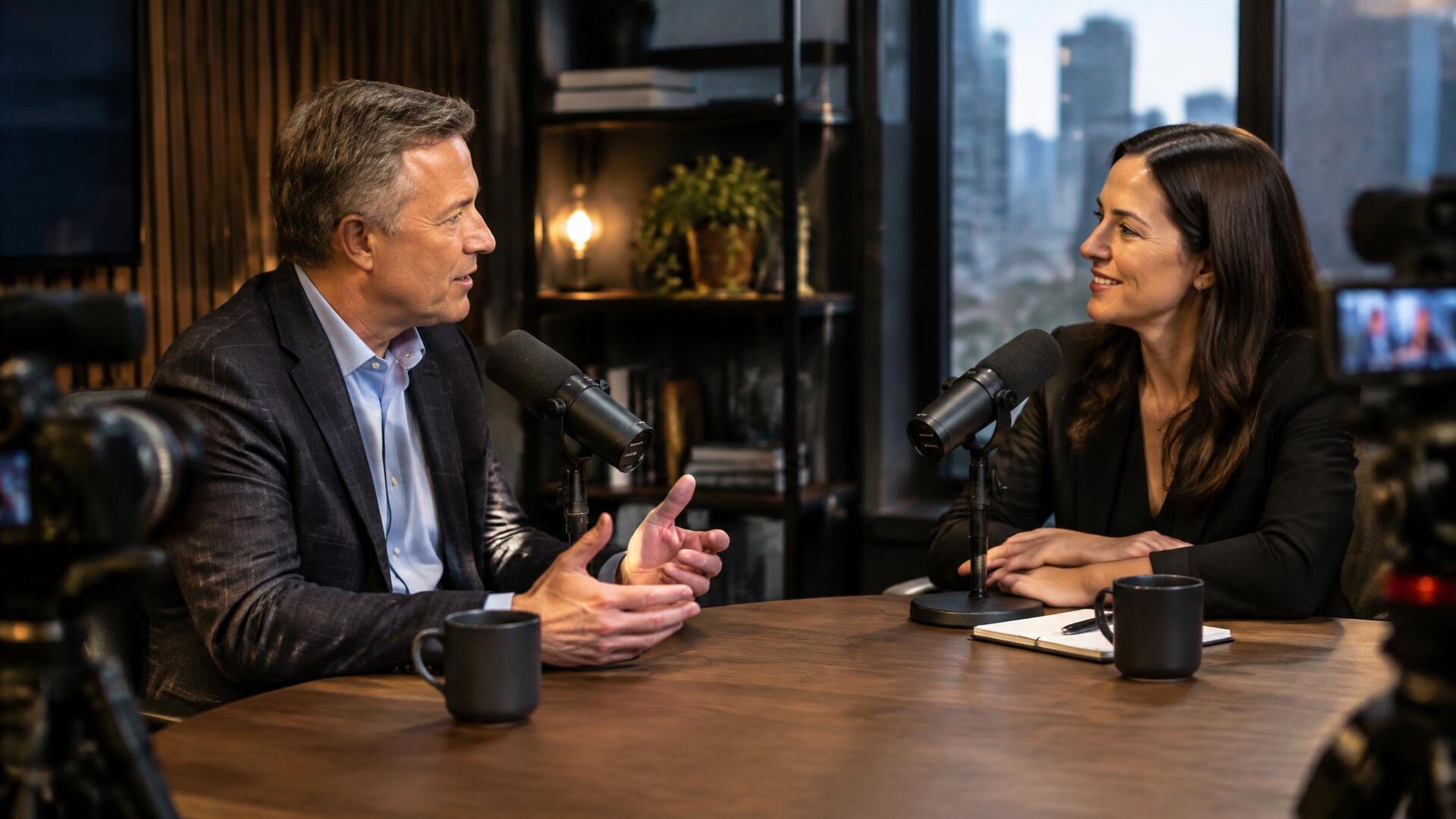
Writing can communicate expertise, but video adds another layer to the relationship.
A prospective customer gets to hear an executive explain something in their own words. They can see how that person communicates and get a sense of their personality and experience.
That matters in B2B because the purchase is rarely just about a product or service.
A significant business decision usually involves some degree of risk. The buyer is putting their budget, reputation, time, and sometimes their own credibility behind the decision.
Knowing who they're dealing with can make that decision considerably easier.
The most effective executive content doesn't need to feel like an advertisement. In fact, it often works better when it doesn't.
An executive explaining an industry trend is useful.
An expert walking through a common customer problem is useful.
A founder talking about a lesson the company learned the hard way is useful.
A leader explaining what businesses should consider before making a major investment is useful.
The company is still building authority, but the viewer isn't being asked to sit through a sales pitch.
They're learning something.

Good Thought Leadership Has a Point of View
There's a reason so much B2B content starts to sound the same.
Companies are often afraid to say anything that could be considered too specific.
The result is content full of phrases like "industry-leading solutions," "innovative strategies," and "commitment to excellence."
Those statements don't tell a potential customer much.
A stronger approach is to let the people inside the company actually explain what they believe.
What do you think businesses consistently get wrong?
What has changed in your industry that customers should understand?
What advice do you give almost every new customer?
What do you wish prospects knew before they started shopping around?
What is something you have changed your mind about after years in the industry?
Those questions are much more likely to produce interesting content because they draw from real experience.
And real experience is difficult to replace with generic marketing language.
You Don't Have to Turn Your CEO Into a Content Creator
This is one of the reasons businesses sometimes avoid executive content. They imagine that their CEO now needs to become a social media personality.
That's not necessary.
Your executives don't need to spend their week thinking about content ideas, writing scripts, setting up cameras, editing videos, or figuring out how to turn one interview into ten different assets.
Their job is to share what they know.
A professional production team can take care of the rest.
A single recording session can produce a long-form conversation, several short videos, educational clips, social content, blog material, and resources your sales team can use with prospects.
That makes the process much more practical for established companies where leadership already has a full schedule.
The Goal Isn't to Make Your Executive Famous
For most B2B companies, executive video isn't about building a celebrity.
It's about making the company easier to understand and easier to trust.
A potential customer might encounter your CEO on LinkedIn. A week later, they might watch an educational video from someone on your leadership team. Later, they might come across a customer story.
None of those individual pieces may result in a lead immediately.
But together, they create familiarity.
The prospect starts to recognize the people behind the company. They understand how you approach problems. They learn what you know. They begin to develop an opinion about the business before they ever schedule a meeting.
That is valuable.
Start With the Questions Your Customers Are Already Asking
If your company wants to build more thought leadership, don't begin by asking, "What should we post this week?"
Start with your customers.
What questions come up repeatedly?
What do prospects misunderstand?
What mistakes do customers make before they hire you?
What information would make their decision easier?
What conversations are your salespeople having every day?
What does your leadership team wish more people understood about your industry?
Those questions can become your content calendar.
They can become blog topics, podcast conversations, executive videos, LinkedIn posts, educational videos, and sales resources.
You aren't creating content simply to fill a calendar. You're creating resources that answer the questions your market actually has.

Your Expertise Is Already a Marketing Asset
Your company has probably spent years building the knowledge that makes it valuable.
The challenge is making that knowledge visible.
In a B2B environment where buyers can research companies extensively before making contact, businesses that consistently demonstrate their expertise have an opportunity to build relationships much earlier in the buying process.
Professional video gives your leadership team a way to do that without turning content creation into another full-time responsibility.
Your expertise is already there.
Your customers are already asking about it.
The opportunity is to give that expertise a place to live where the people you're trying to reach can actually find it.
At PodcastCrew, we help businesses turn the knowledge, experience, and conversations already happening inside their organizations into professional video, educational content, thought leadership, and long-form media.
The goal isn't simply to produce another video. It's to make the experience and knowledge inside your company visible to the people who may eventually need it.
If your leadership team has a lot to say but hasn't found a practical way to turn that expertise into consistent professional content, book a discovery call with PodcastCrew.
Thinking about video for your business?
Tell us what you're working on — leadership and authority videos, podcasting, or full production — and we'll get back to you with a straight answer.