PodcastCrew Editorial Team
August 21, 2026 · 14 min read
Stop Thinking of Video as Content. Start Thinking of It as a Business Asset.
The real ROI of professional video is not views. It is the trust, authority, sales support, and long-term marketing value that content can create for your business.

Businesses spend a lot of time talking about content.
What should we post? How often should we post? Should we be on LinkedIn? Do we need more Reels? Should our CEO be making videos?
But there is another question that often gets overlooked:
What is this content actually doing for the business?
Because if you are investing real money into video production, you should expect more than a folder full of videos and a few thousand views.
The goal should be to create something that continues working for your business long after the cameras are turned off.
That is why we believe businesses should stop thinking about video as simply "content" and start thinking about it as a business asset.
Views Are Not the Whole Story
Views are easy to measure, which is why businesses often focus on them.
A video gets 10,000 views, and it feels successful. Another gets 500 views, and it feels like a failure.
But that does not tell you much about the actual business value of the content.
Imagine your 500-view video is watched by 50 people who fit your ideal customer profile. A few of them visit your website. One sends an inquiry. Another shares it with someone on their team. A third watches several more videos before eventually reaching out six months later.
That video may have generated far more value than a viral video watched by thousands of people who will never buy from you.
For a business, the better question is not simply, "How many people saw this?"
It is "Did this help the right people understand, trust, and remember our business?"
Your Content Can Start Building Trust Before the Sales Conversation
Think about what happens before someone hires your company.
They usually do some research.
They look at your website. They check your reviews. They search your company name. They look at your social media. They may watch your videos.
They are trying to reduce the risk of making a bad decision.
Professional video can help with that process because it gives potential customers an opportunity to experience your expertise before they ever speak with you.
They can hear your CEO explain an industry problem. They can watch your team demonstrate what they know. They can see the people behind the company and get a sense of how you communicate.
By the time they contact you, they may already have answers to some of their biggest questions.
That is valuable.

Think About What One Video Can Do
A professionally produced video does not have to have one job.
A corporate brand film might live on your homepage and help introduce your company to potential customers. The same footage could support a sales presentation, play at a trade show, appear on social media, or help a prospective employee understand your company culture.
An educational video can answer a question on your website while also becoming a YouTube video and several short-form clips.
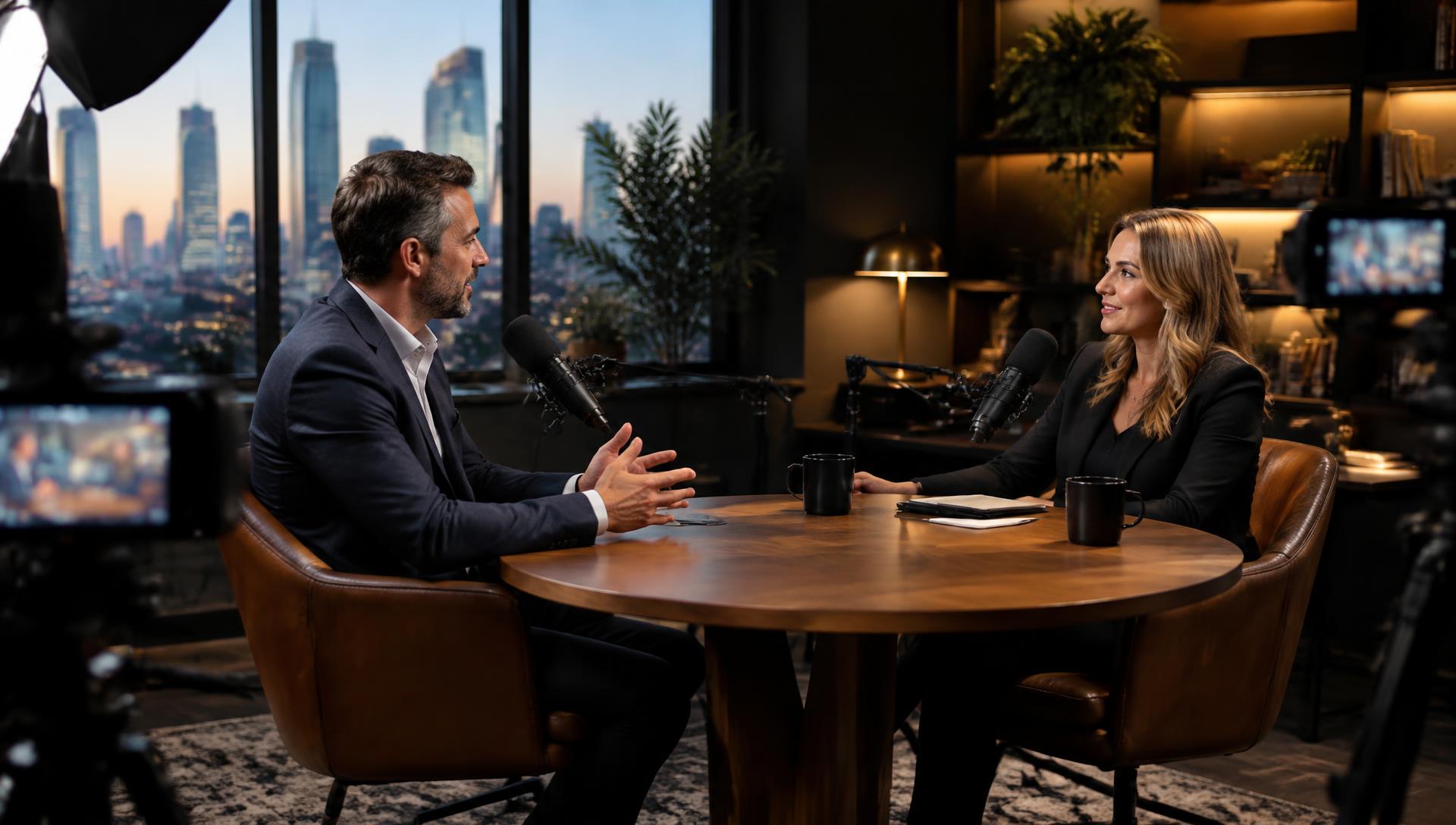
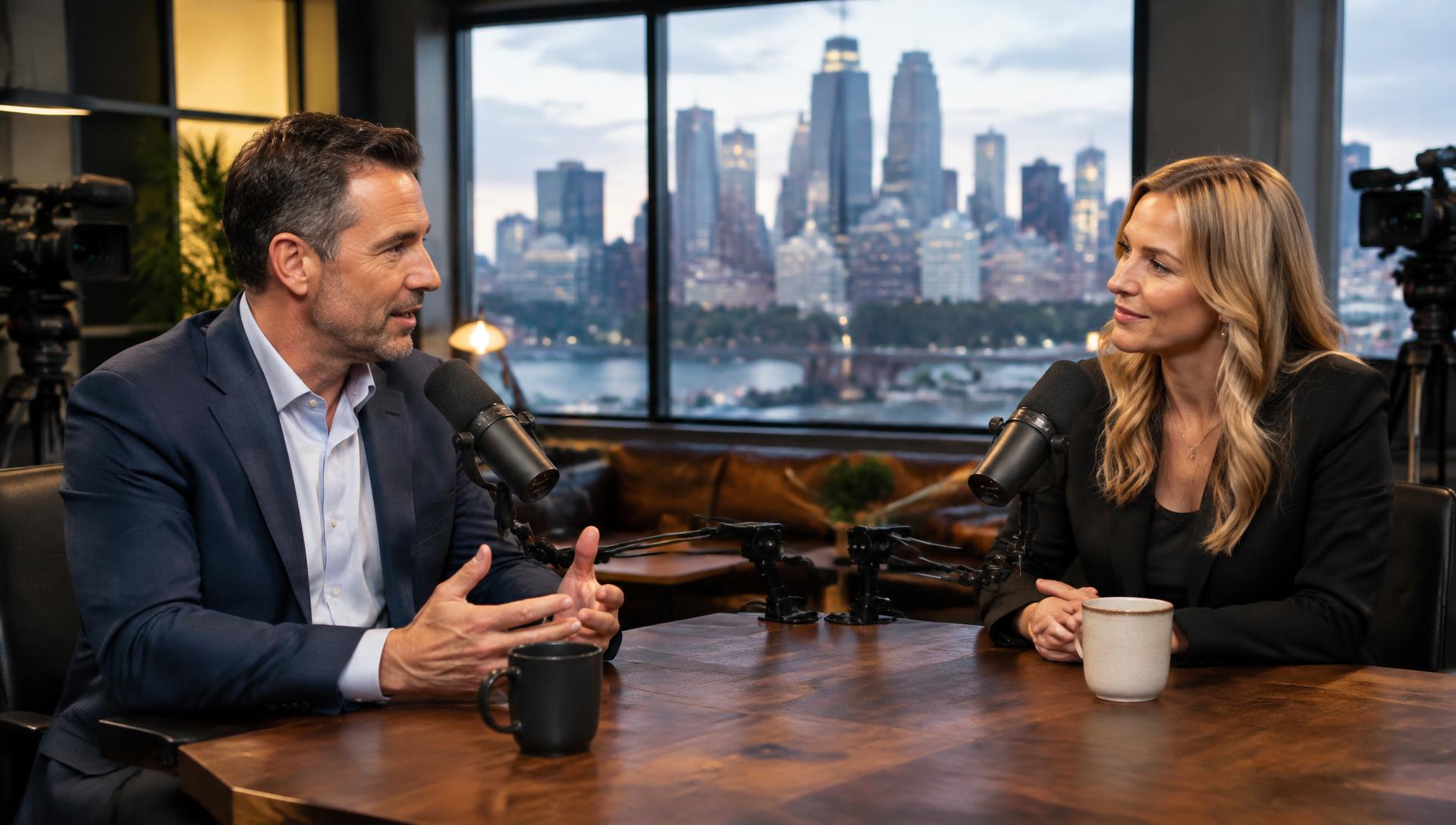
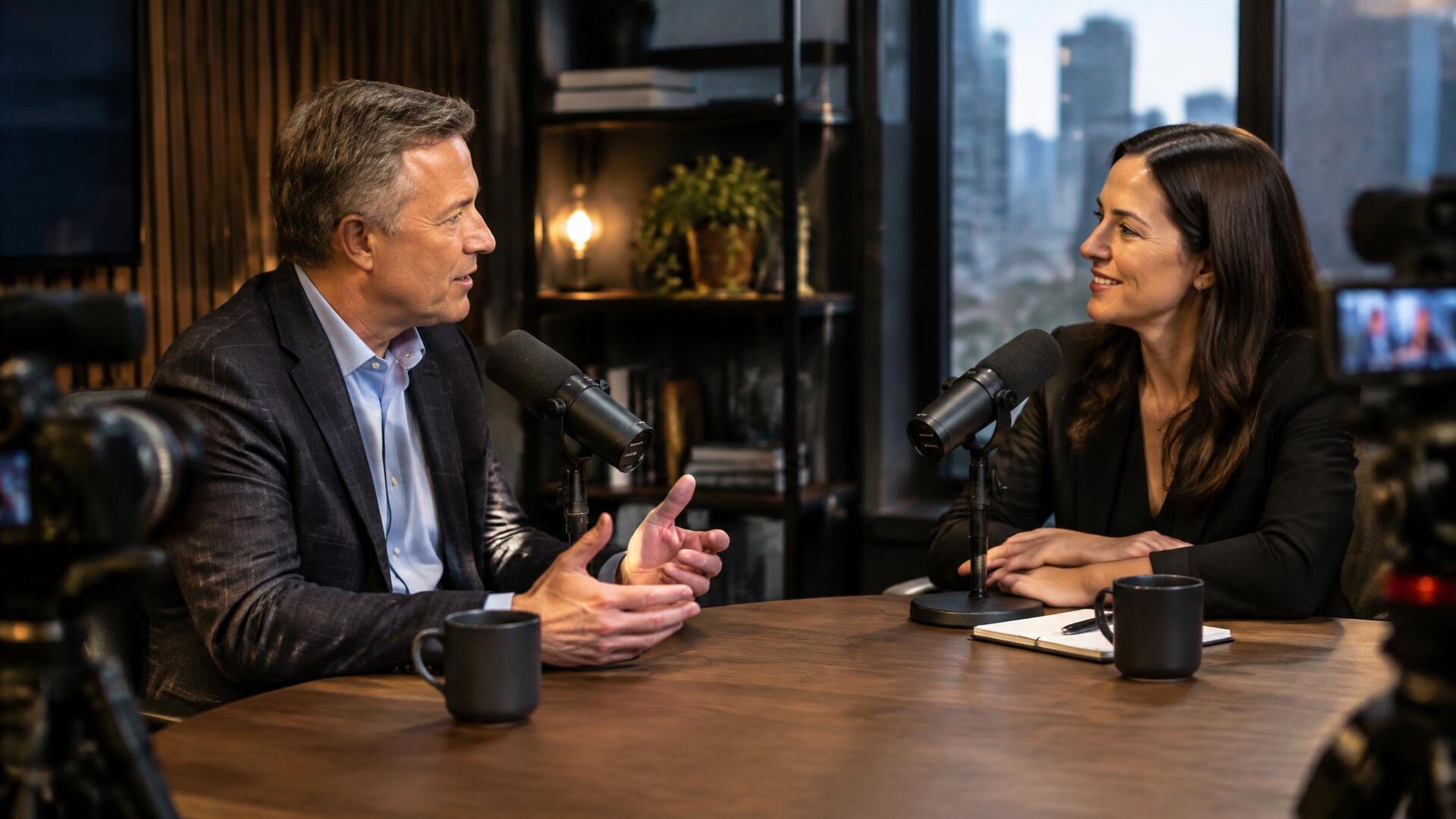
A video podcast can become a long-form episode, short social videos, LinkedIn content, email ideas, and sales resources.
The more uses a piece of content has, the more valuable that production investment becomes.
That is the difference between creating content and building an asset.
Your Best Content Can Support Your Sales Team
One of the most overlooked benefits of professional video is how useful it can be after marketing has done its job.
Your sales team is constantly answering questions.
Potential customers want to know how something works, what they should consider, what mistakes to avoid, how your process works, and why your company is different.
Instead of answering the same questions from scratch every time, you can create videos that help explain them.
A salesperson can send a prospect a two-minute educational video after a meeting.
A proposal can include a video that explains your process.
A sales presentation can include a customer story.
Your website can answer objections before someone ever fills out a contact form.
Now your video is not just generating awareness.
It is helping your team sell.

Professional Video Can Increase Perceived Value
There is another part of ROI that is harder to put in a spreadsheet but still matters.
How your business looks affects how people perceive your business.
That does not mean every company needs to look flashy or overly polished.
It means your visual presentation should match the level of service you are asking people to trust you with.
If you are selling a high-value service but your videos look rushed, poorly lit, or difficult to hear, that creates friction.
Professional production does not magically make a business better.
But it can make the expertise that is already there easier to see and take seriously.
Your video should not distract from your message.
It should support it.
Authority Is an ROI, Too
Not every return from content shows up as a lead the next day.
Sometimes the return is becoming known as the company that understands a particular problem.
Maybe a potential customer sees your educational videos for six months before they are ready to buy.
Maybe an industry partner discovers your CEO through a video and reaches out about a collaboration.
Maybe a prospect mentions that they have been watching your content during a sales call.
Those interactions are difficult to attribute to one specific post.
But they are still business outcomes.
Consistent content can make your company more familiar, more credible, and easier to remember.
And when someone is finally ready to buy, being the business they already recognize can give you a significant advantage.
A Content Library Gets More Valuable Over Time
One of the biggest mistakes businesses make is thinking about content one post at a time.
That creates a constant cycle of production.
Create something.
Publish it.
Move on.
Create something else.
Instead, think about what happens if you build a content library over several years.
You have videos answering common questions.
You have interviews with industry experts.
You have educational resources.
You have customer stories.
You have brand content.
You have leadership conversations.
You have short-form clips.
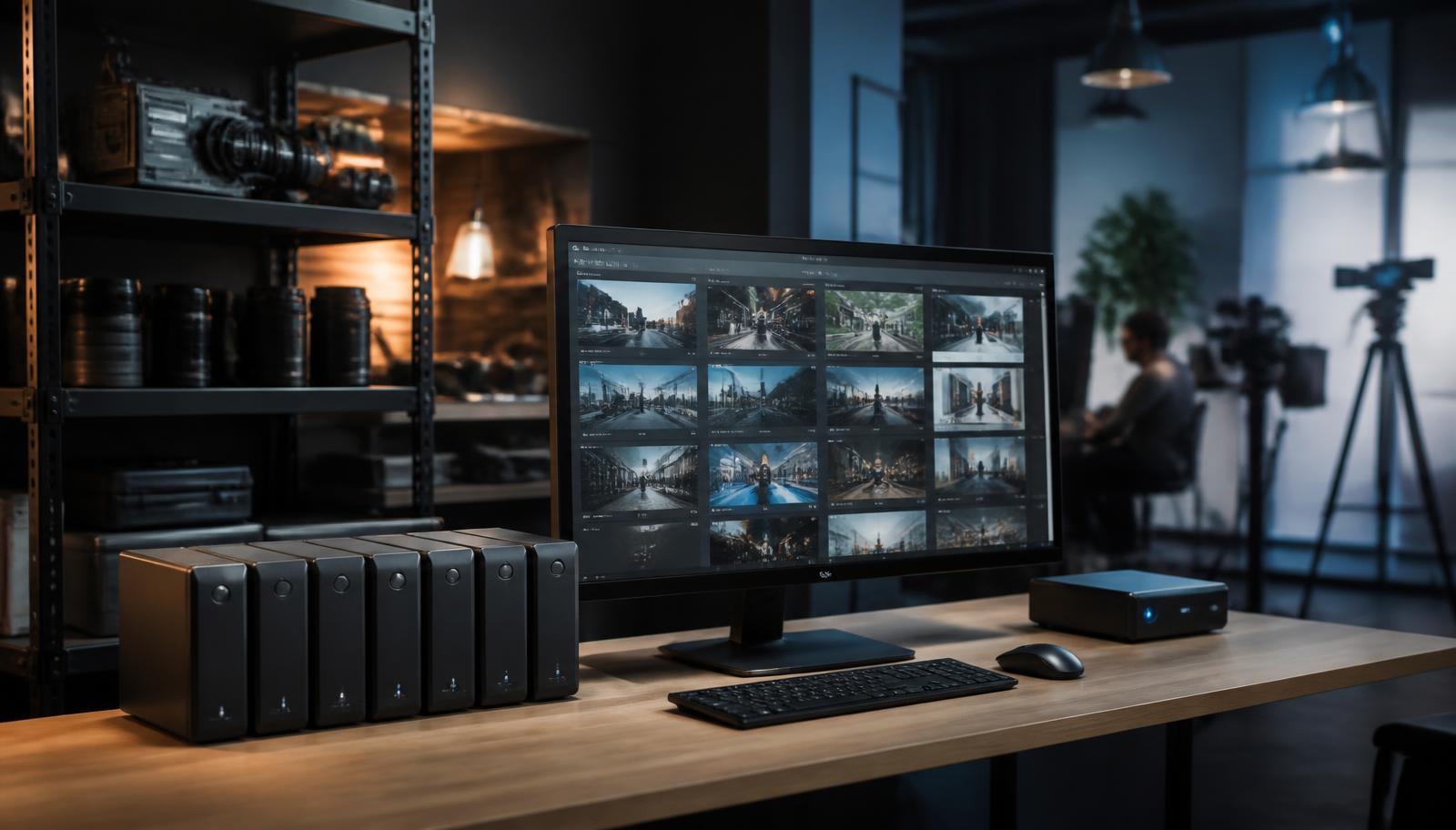
Now your business has an entire library of media that can be used across marketing, sales, recruiting, and brand building.
The asset gets bigger every time you create something new.
That is a very different way of looking at your content budget.
The ROI Gets Better When You Create With a Strategy
Not every video deserves the same investment.
Before producing anything, ask what job the video is supposed to do.
Is it designed to introduce your brand?
Build authority?
Answer a customer question?
Support sales?
Attract employees?
Showcase your company culture?
Generate social content?
The answer should influence the type of video you create.
This is why professional video production should not start with, "What kind of video do you want?"
It should start with:
"What does your business need this video to accomplish?"
Once you know that, the production becomes much more strategic.
You Do Not Need More Content. You Need More Useful Content.
This is the shift we encourage businesses to make.
You do not need to create video just because video is popular.
You need to create video because it can help your business solve a real problem.
Maybe your sales team needs better resources.
Maybe your CEO needs to become more visible.
Maybe your company has years of expertise that nobody outside the business knows about.
Maybe your social media presence does not reflect the quality of your actual work.
Maybe your customers need more education before they feel comfortable buying.
Those are business problems.
Video can become part of the solution.
How PodcastCrew Helps Turn Video Into a Business Asset
At PodcastCrew, we do more than simply record videos.
We help businesses create professional video content with a purpose.
That might mean a video-first podcast that gives your leadership team a platform to share their expertise. It could be an educational video series that answers the questions your customers ask every day. It could be a corporate brand film that tells your company's story. Or it could be a short-form content session designed to give your business weeks of social content.
We can also bring the production to your location when your business environment is part of the story.
The goal is always the same: create content that has a job to do.
Because the best video investment is not necessarily the video that gets the most views.
It is the video that keeps creating value for your business.
How Should You Measure the ROI of Video?
There is no single number that tells you whether your video strategy is working.
Look at the bigger picture.
Are more of the right people discovering your business?
Are prospects coming into sales conversations already familiar with your company?
Are your salespeople using your videos?
Are people spending more time learning from your content?
Are your videos helping answer common customer questions?
Are you building a library of content that can be reused across your marketing?
Are more people beginning to recognize your leadership team and what your company stands for?
Those are all signs that your content is doing more than filling a social media calendar.
It is becoming part of the business.
Your Video Should Keep Working After the Shoot
A production day should not be the finish line.
It should be the beginning of the asset's life.
The real value comes from everything that happens afterward: where the video is published, who sees it, how it supports your sales process, how it gets repurposed, and how long your business can continue using it.
That is why the right question is not:
"How much does a video cost?"
It is:
"How much value can we get from this video?"
When you think about video that way, the conversation changes completely.
Ready to Make Your Video Work Harder?
If your business is already investing in content but you are not sure whether that content is actually supporting your larger business goals, it may be time to rethink the strategy.
PodcastCrew helps Minnesota businesses create professional video content designed to build authority, strengthen trust, support sales, and give your business assets it can continue using long after production day.
You bring the expertise. We help turn it into something your business can keep using.
If you are ready to build video content with a real business purpose behind it, book a discovery call with PodcastCrew and let's talk about what would make the most sense for your business.
Thinking about video for your business?
Tell us what you're working on — leadership and authority videos, podcasting, or full production — and we'll get back to you with a straight answer.