PodcastCrew Editorial Team
July 24, 2026 · 9 min read
Engaging Storytelling for Brands: Transform Your Impact
Narrative-driven video content can significantly boost brand recall, turning forgettable messaging into lasting audience connections. PodcastCrew's video-first production and full post-production editing, based in its Robbinsdale content studio, help Minneapolis-area businesses craft authority-building stories that convert viewers into loyal, trusting customers.

Narrative-driven brand messaging replaces feature lists with character-driven stories that can significantly boost recall. A notable share of consumers who love a brand's story make a purchase. Video-first production, like PodcastCrew's Minneapolis studio work, turns abstract messaging into memorable, trust-building content that strengthens differentiation and drives customer connection.
Key Takeaways
- Storytelling can significantly boost brand recall through narrative psychology and emotional connection activation.
- A notable share of consumers who love a brand's story demonstrate willingness to make purchases.
- Character-driven narratives increase oxytocin production, strengthening trust and personal connection with audiences.
- Emotional storytelling outperforms feature-focused messaging by creating memorable brand differentiation in competitive markets.
Why Do Feature-Focused Brands Get Ignored?
Spec sheets and benefit bullets rarely move buyers in a crowded marketplace. Facts alone don't persuade the way a well-told story does. Most feature-first messaging looks and sounds identical to every competitor's pitch. A brand listing specs is easy to skip; a brand telling a story is harder to ignore.
Underneath the surface, prospective customers run a quieter test before they ever click "buy." They ask whether a company understands them, shares their values, and deserves trust. A features list can't answer any of those questions — only a narrative can.
What Makes a Brand Story Actually Work?
The strongest brand stories put the customer at the center, not the product or the company. Engaging storytelling for brands works because it casts the audience as the hero facing a real problem, with the brand playing a supporting role in the solution.
Why Does This Matter for Differentiation?
A sharp, well-crafted story separates a company from competitors selling near-identical products. It makes the brand memorable and relatable in ways a spec sheet never will.
Consider the gap:
- Feature-first messaging: lists specs, prices, and capabilities; sounds interchangeable with competitors; forgettable within minutes.
- Story-first messaging: centers the customer's struggle; builds trust and emotional relevance; sticks in memory long after the pitch ends.
Brands that skip narrative entirely aren't just less interesting — they become invisible.
What Actually Makes Brand Stories Convert?
Purchase intent, not applause, separates a memorable brand story from one that actually moves revenue. Numbers make the case plainly: a notable share of consumers who say they love a brand's story report willingness to buy from that brand. That single statistic explains why so many companies are shifting budget and strategy away from feature lists toward brand storytelling built to forge real connection with audiences.
Engaging storytelling for brands works because it does three things a spec sheet never can. It builds recognition, holds attention across channels, and earns trust over repeated exposure. None of those outcomes happen instantly — they compound.
Why does narrative outperform features and benefits?
Features describe a product. Narrative gives audiences a reason to care about it. A story that reflects the brand's values, mission, and vision, expressed in a way customers absorb naturally rather than through a pitch, creates relevance that specs alone cannot manufacture.
What separates a story that converts from one that just entertains?
Conversion-ready stories share a few traits:
- They tie directly to a stated brand value or mission, not a generic theme.
- They stay consistent across every channel, reinforcing the same trust signal repeatedly.
- They center the customer's experience rather than the company's achievements.
Brands skipping this alignment often generate attention without generating buyers — a costly gap between engagement and revenue.
How Do You Turn Story Strategy Into Video?
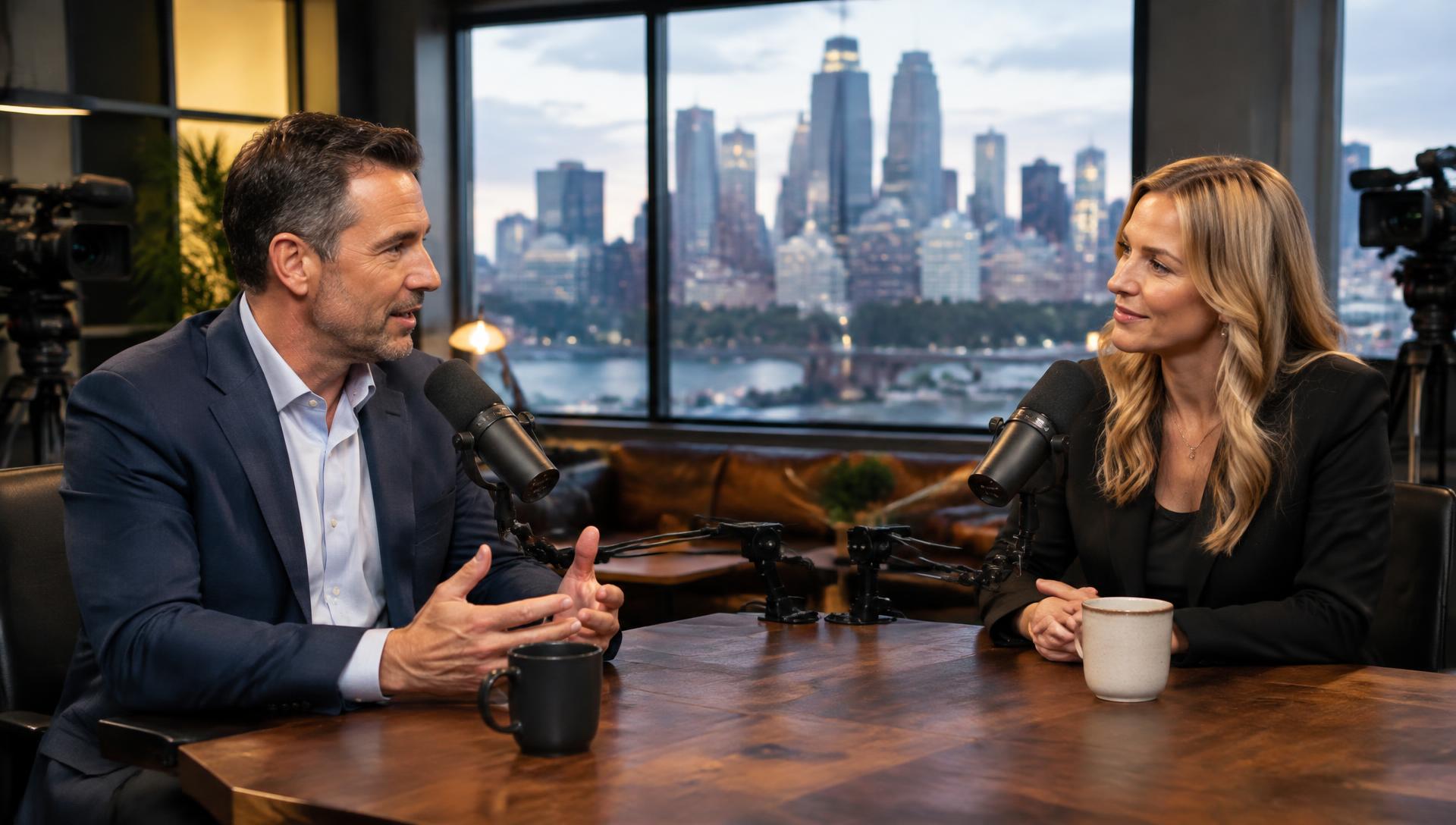
Video turns a brand narrative into something a customer can see, hear, and trust. Video production builds education and authority pieces that show off a brand's expertise instead of just describing it. That distinction matters for marketing managers stuck writing feature lists. A story built for video demands scenes, not bullet points.
Production starts with location. A fully equipped content studio in Robbinsdale, MN, gives brand leaders a controlled environment for interviews and scripted segments. Lighting, sound, and framing stay consistent, so the finished piece looks polished rather than improvised.
Does the crew film outside the studio?
Yes. The team travels across Minnesota and the upper Midwest, covering North Dakota, South Dakota, Iowa, Wisconsin, and Illinois. On-location shoots capture real workplaces, customers, and moments a studio can't replicate.
What happens after filming wraps?
Raw footage still needs shaping into a story arc, and that's where post-production comes in. Editing refines pacing, sound, and visuals so the final piece delivers a clear, compelling narrative. That final step gets engaging storytelling for brands in front of the audiences marketing teams actually need to reach.
Storytelling transforms brand impact by turning your message into something your audience genuinely connects with — and that's exactly what we champion at PodcastCrew. When entrepreneurs and creators lean into authentic narratives through video-first podcasting, they build trust, establish authority, and create lasting relationships with their listeners. The brands that thrive aren't those shouting the loudest; they're the ones telling stories that resonate. Your story deserves a platform that brings it to life with professional quality and genuine care.
FAQ
How much does storytelling boost brand recall?
Narrative-driven video content can significantly boost brand recall, turning forgettable messaging into lasting audience connections through character-driven stories rather than feature lists.
Who should be the hero of a brand story?
The customer, not the product or company, sits at the center. The audience becomes the hero facing a real problem, with the brand playing a supporting role in the solution.
Why do feature lists fail to convert customers?
Spec sheets and benefit bullets look identical to competitors' pitches and rarely move buyers. Only narrative answers whether a company understands customers, shares their values, and deserves trust.
Thinking about video for your business?
Tell us what you're working on — leadership and authority videos, podcasting, or full production — and we'll get back to you with a straight answer.