
PodcastCrew Editorial Team
July 31, 2026 · 12 min read
Educational Video Production for Businesses: How Professional Video Content Builds Authority and Generates Leads
Discover why educational videos are one of the highest-ROI marketing assets for modern businesses and how a professional video production strategy can help you attract qualified leads, build authority, and grow your brand.

Most business videos are forgotten within days.
The best educational videos continue generating traffic, leads, and sales opportunities for years.
That's the difference between creating content and building a video strategy.
At PodcastCrew, we've found that the businesses that get the strongest results from video are not the ones producing the most content. They're the ones creating educational videos that answer customer questions, demonstrate expertise, and build trust before a sales conversation ever happens.
Whether you're a B2B company, healthcare provider, consultant, law firm, financial advisor, manufacturer, or service business, educational video production can become one of your most valuable long-term marketing assets.
In this guide, we'll explain what educational video production is, why it works, how a professional production process creates better results, and what businesses should look for when investing in educational video content.
What Is Educational Video Production?
Educational video production is the process of creating professional video content that teaches, explains, or helps your audience understand a topic related to your industry or expertise.
Unlike traditional promotional videos, educational videos focus on providing value first.
Examples include:
- Explainer videos
- How-to videos
- Industry insights
- Customer education videos
- Training videos
- Thought leadership interviews
- FAQ videos
- Process demonstrations
- Case study videos
- Educational podcast content
The goal is simple: establish your business as the trusted expert in your market.
Why Educational Videos Outperform Traditional Marketing
Traditional advertising interrupts people.
Educational videos attract people.
When someone searches for "how to choose a commercial roofing contractor," "what causes chronic back pain," or "how to create employee training videos," they're already looking for information.
If your business provides the best answer, you become part of their decision-making process.
Educational videos work because they build trust before the sales conversation begins.
Instead of convincing people you're an expert, you demonstrate it.
The Biggest Mistake Businesses Make With Video
Many companies invest in video production and create content that talks almost entirely about themselves.
They produce:
- Company overview videos
- Promotional commercials
- Generic brand videos
- Sales-heavy messaging
These videos can be useful, but they rarely build search traffic or long-term authority.
The most effective educational videos start with the audience's problems.
A simple rule we use is:
Teach first. Sell second.
When a business consistently answers customer questions, explains complex topics clearly, and shares practical expertise, sales become easier because trust has already been established.
How Educational Videos Build Authority
Authority isn't created by saying you're the best.
It's created by showing what you know.
Educational videos demonstrate:
- Industry expertise
- Experience
- Communication skills
- Transparency
- Problem-solving ability
When potential customers watch multiple educational videos from your company, they begin to see your business differently.
Instead of asking, "Can they help me?" they begin asking, "When should I hire them?"
That shift is incredibly powerful.
The Educational Video Production Process That Actually Generates Leads

One of the biggest misconceptions about video marketing is that success comes from better cameras or more expensive production.
Professional production quality matters, but strategy matters far more.
At PodcastCrew, every educational video project starts with understanding the audience, not the equipment.
1. Audience Research
We identify the questions your ideal customers are already asking.
These questions become the foundation of your video content.
2. Topic Mapping
Instead of creating random videos, we build a content structure around your expertise.
For example, a commercial roofing company might create videos around:
- Roof replacement
- Roof repair
- TPO roofing
- Insurance claims
- Maintenance
- Budget planning
This creates topical authority over time.
3. Script Development
The best educational videos sound natural, not scripted.
We structure content for clarity, engagement, and search visibility while keeping the delivery authentic.
4. Professional Filming
Production quality directly impacts credibility.
We focus on:
- Professional lighting
- Clear audio
- Multiple camera angles
- Clean composition
- Brand consistency
5. Editing and Optimization
A single educational video can become:
- A YouTube video
- A blog post
- Short social clips
- LinkedIn content
- Instagram reels
- TikTok videos
- Email content
- Website resources
This dramatically increases the ROI of each production day.
The 7 Educational Videos Every Business Should Create
1. FAQ Videos
Answer the questions customers ask repeatedly.
These videos improve SEO, reduce sales friction, and save time for your team.
Examples:
- How much does it cost?
- How long does the process take?
- What are the most common mistakes?
- What should customers expect?
2. Explainer Videos
Explain how your service, product, or process works.
These videos are especially effective for complex industries such as healthcare, legal, technology, manufacturing, and commercial services.
3. Thought Leadership Videos
Thought leadership videos position executives, founders, and specialists as recognized industry experts.
Topics may include:
- Market trends
- Industry changes
- New technologies
- Regulatory updates
- Strategic insights
These videos build long-term authority and often perform exceptionally well on LinkedIn and YouTube.
4. How-To Videos
Practical educational content is one of the strongest SEO opportunities available.
Examples:
- How to prepare for a consultation
- How to maintain equipment
- How to evaluate vendors
- How to choose the right solution
5. Customer Education Videos
Help existing customers succeed.
These videos improve retention, reduce support requests, and create a better customer experience.
6. Case Study Videos
Show how your expertise creates real results.
Educational case studies teach while simultaneously providing proof.
7. Training Videos
Professional training videos improve:
- Employee onboarding
- Process consistency
- Compliance
- Knowledge retention
- Operational efficiency
For many businesses, internal educational videos generate significant cost savings over time.
Real Examples of Educational Video Strategy
Commercial Services
A roofing company creates 25 educational videos answering the most common commercial roofing questions.
Those videos become:
- YouTube content
- SEO blog content
- Sales resources
- Customer education materials
Professional Services
A law firm publishes educational videos explaining legal processes.
Potential clients arrive already informed and more confident.
Healthcare
A clinic creates patient education videos explaining treatments, recovery timelines, and expectations.
This improves both trust and operational efficiency.
Consulting
A consultant records educational podcast episodes that are repurposed into dozens of video clips, articles, and social media assets.
One production day creates months of content.
The SEO Advantage of Educational Video Production
Educational videos create one of the strongest content ecosystems available.
A professionally produced educational video supports both video search and traditional search.
Google increasingly rewards content that demonstrates:
- Expertise
- Experience
- Depth
- Relevance
- Usefulness
For example, a video titled "How commercial roof replacement works" can support rankings for:
- commercial roof replacement process
- roof replacement timeline
- what to expect during roof replacement
- commercial roofing project planning
Video and written content strengthen each other.
This is why we often recommend building educational videos and SEO content together rather than treating them as separate marketing efforts.
What Production Quality Actually Matters?
Businesses often assume educational videos require expensive studios and massive production crews.
In reality, credibility comes from clarity.
The elements that matter most are:
Clear audio — Poor audio immediately reduces trust.
Professional lighting — Lighting affects how professional and trustworthy your experts appear.
Strong storytelling — Information should be structured logically and keep viewers engaged.
Authentic expertise — Audiences can tell the difference between genuine expertise and generic marketing.
Measuring the ROI of Educational Videos
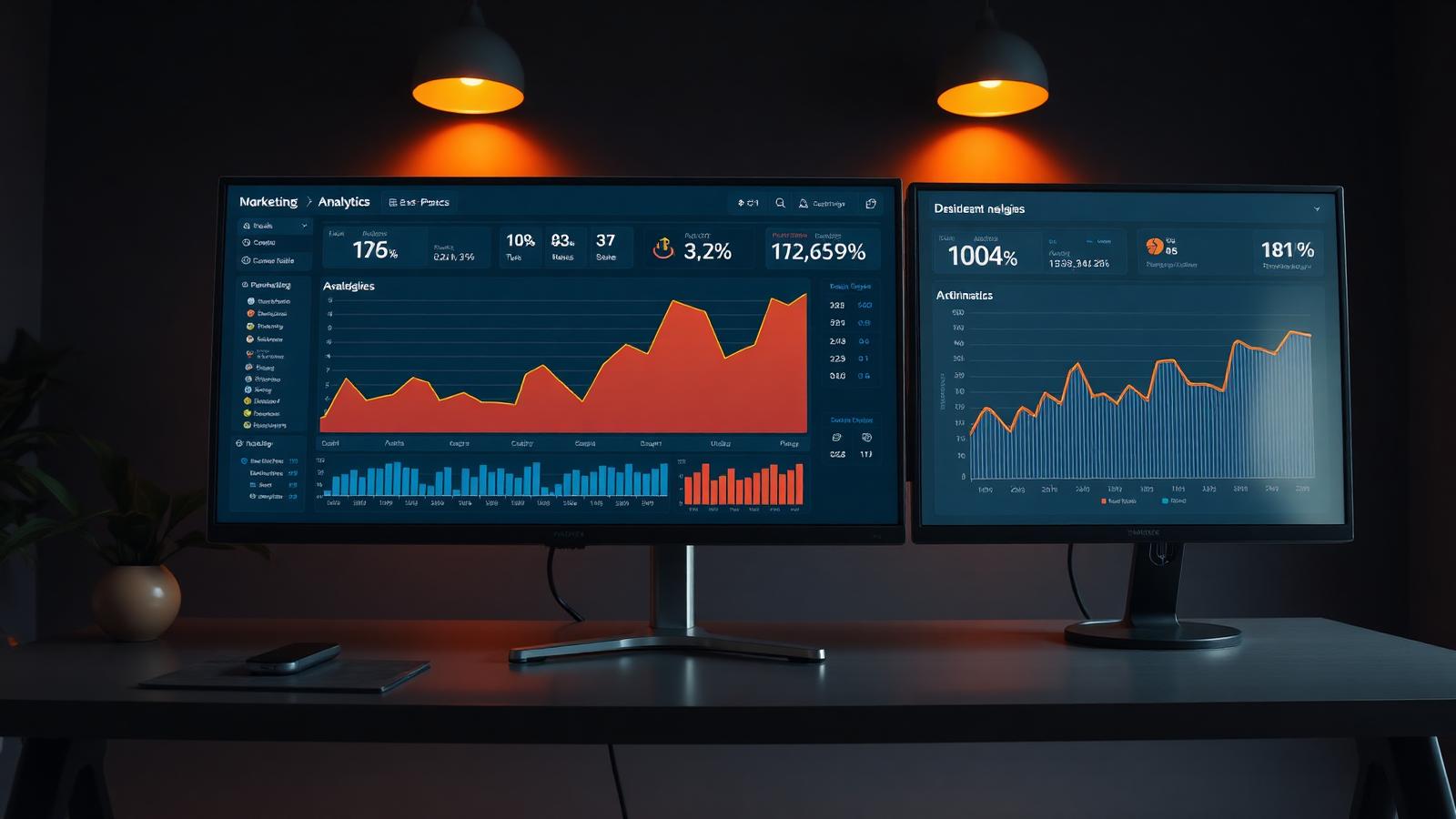
The most important metric is not views.
The most valuable educational videos often generate qualified leads with relatively modest view counts.
Better metrics include:
- Watch time
- Audience retention
- Website traffic
- Search rankings
- Lead inquiries
- Consultation requests
- Sales cycle length
- Customer retention
- Employee training efficiency
A successful educational video should contribute to business growth, not just social media engagement.
How Long Should Educational Videos Be?
The right length depends on the topic.
General guidelines:
- Short educational clips: 30–90 seconds
- FAQ videos: 1–3 minutes
- Explainer videos: 2–5 minutes
- Educational tutorials: 5–10 minutes
- Expert interviews: 10–30 minutes
Depth should determine length.
A useful answer is usually better than a short answer.
Why Businesses Hire a Professional Educational Video Production Company
Many companies can record videos internally.
The challenge is creating videos that consistently generate authority, search visibility, and leads.
A professional production company helps with:
- Content strategy
- Topic research
- Messaging
- Interview coaching
- Professional filming
- Editing
- Content repurposing
- SEO integration
- Distribution planning
The result is not just a video.
It's a marketing asset designed to produce results across multiple platforms.
The Future of Business Video Marketing
The businesses that dominate search results and social platforms in 2026 are not necessarily the ones with the largest advertising budgets.
They're the ones with the largest library of useful educational content.
Every customer question is a video opportunity.
Every explanation is a trust-building asset.
Every educational video becomes a long-term marketing investment.
Final Thoughts
Educational video production is no longer a branding luxury.
It's a growth strategy.
Businesses that consistently create educational video content build authority faster, attract better leads, improve customer trust, and create marketing assets that continue working long after they're published.
The goal isn't to create viral videos.
The goal is to become the most helpful expert in your industry.
That's where educational video production creates its greatest value.
If your business has expertise worth sharing, a strategic educational video campaign can generate SEO traffic, social content, sales resources, and long-term authority from a single production effort.
At PodcastCrew, we help businesses create educational videos that don't just look professional—they build trust, generate leads, and support measurable business growth.
FAQ
What is educational video production?
Educational video production is the process of creating professional video content that teaches, explains, or helps your audience understand a topic related to your industry or expertise. Unlike promotional videos, educational videos focus on providing value first.
Why do educational videos outperform traditional advertising?
Traditional advertising interrupts people, while educational videos attract people who are already searching for information. By providing the best answer, your business becomes part of their decision-making process and builds trust before the sales conversation begins.
What types of educational videos should every business create?
The seven core types are FAQ videos, explainer videos, thought leadership videos, how-to videos, customer education videos, case study videos, and training videos. Each serves a different stage of the customer journey and builds authority in a unique way.
How long should educational videos be?
Length depends on the topic. Short clips run 30–90 seconds, FAQ videos 1–3 minutes, explainer videos 2–5 minutes, educational tutorials 5–10 minutes, and expert interviews 10–30 minutes. Depth should determine length—a useful answer is better than a short one.
How do you measure the ROI of educational videos?
The most important metric is not views. Better metrics include watch time, audience retention, website traffic, search rankings, lead inquiries, consultation requests, sales cycle length, and customer retention. A successful educational video contributes to business growth, not just social media engagement.
Thinking about video for your business?
Tell us what you're working on — leadership and authority videos, podcasting, or full production — and we'll get back to you with a straight answer.